
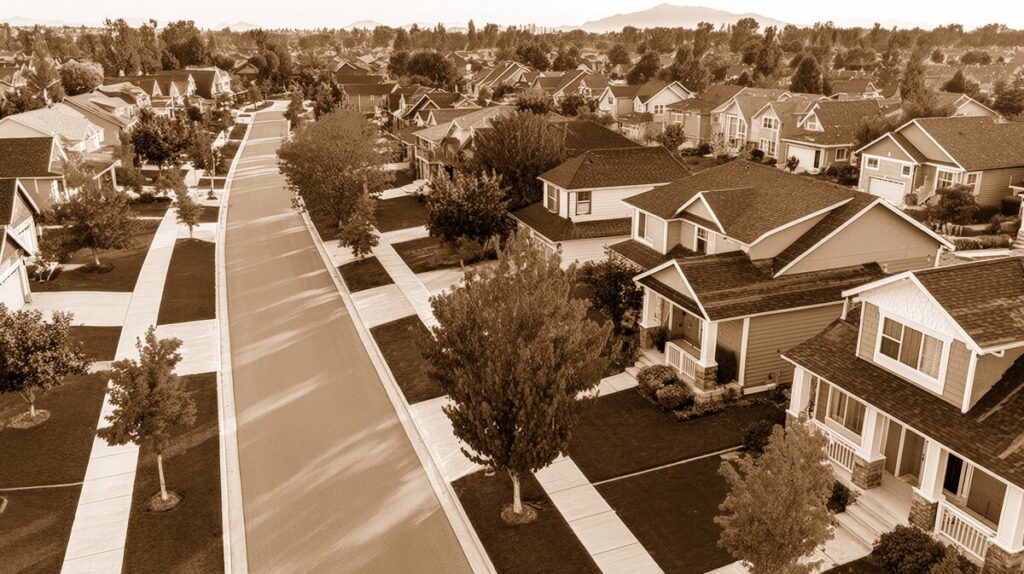
Nestled in central Tucson, just east of the bustling campus life and midtown’s vibrant business hubs, lies the treasured La Madera neighborhood. For decades, La Madera has quietly glowed with its own warmth, charm, and unmistakable sense of community. For residents and visitors alike, the neighborhood offers a rare blend of historic character, neighborly pride, and the ever-present beauty of the Sonoran sun filtering through its old mesquite trees. Whether you’re walking the shaded sidewalks, chatting with neighbors at La Madera Park, or admiring the sturdy craftsmanship of mid-century homes, you’ll find La Madera is a place with a story to tell—a story rooted in Tucson’s own evolution.
Origins: Naming the Neighborhood
La Madera, meaning “the wood” in Spanish, likely takes its name from the abundance of native mesquite and palo verde trees that once dominated the landscape. Long before homes filled these blocks, ranchlands and open desert defined Tucson’s fringes. By the early 20th century, as Tucson began spreading out from its downtown core, planned subdivisions arose to meet growing housing demand. La Madera, bordered loosely by Fort Lowell Road to the north, Pima Street to the south, Country Club Road to the west, and Dodge Boulevard to the east, became one of these new residential enclaves.
Early plat maps and neighborhood oral histories suggest that by the 1940s and ‘50s, La Madera’s first true wave of development began. The neighborhood’s streets—like E. La Madera Drive, N. Walnut Avenue, and N. Treat Avenue—were soon lined with sturdy brick and stucco homes. Many retained the vintage details that are still visible today: deep porches, metal awnings, and the ever-present desert landscaping. The name “La Madera” serves as both an echo of the neighborhood’s natural origins and the enduring materials used to build these character-rich homes.
Key Historical Milestones
- Postwar Growth: After World War II, Tucson experienced a significant population boom, and La Madera’s location made it primed for growth. Families were drawn by modest yet solid homes, proximity to schools, and the promise of tree-lined streets—a true haven from the city’s westward sprawl.
- Establishment of La Madera Park (1950s): In the heart of the neighborhood, La Madera Park became a beloved gathering space—more than just a patch of grass, but a central point for everything from picnics and holiday parades to impromptu neighborhood meetings. The park, at 2700 E La Madera Dr, still stands today as a testament to the area’s commitment to community and green space, surrounded by homes that witnessed generations growing up.
- Community Spirit and Advocacy: Over the decades, the La Madera Neighborhood Association emerged as a powerful voice for residents, championing quality of life, neighborhood safety, and historic preservation. Their efforts—ranging from organizing annual cleanups to successfully resisting overly dense zoning changes—have ensured La Madera retains its unique, human scale even as midtown Tucson evolves.
Notable Landmarks and Buildings
One cannot stroll through La Madera without noticing its vintage homes. Most were built between the late 1940s and 1960s, featuring the low-pitched roofs, broad windows, and careful masonry work typical of that era. Their modest footprints and thoughtful orientation often prioritize shade and breeze in the months when Tucson sizzles.
Some highlights include:
- La Madera Park: The irreplaceable heart of the neighborhood. Mature shade trees frame a generous lawn, playground, ramadas, and basketball court. Community bulletin boards and a Little Free Library are symbols of the neighborliness that defines La Madera.
- Murals and Public Art: Residents and local artists have adorned garden walls and public spaces with colorful, desert-inspired murals showcasing prickly pears, agaves, and scenes from Tucson’s past.
- Classic Midcentury Homes: The intersection of E. La Madera Drive and N. Bryant Avenue boasts some of the best-preserved examples, marked by stone-faced exteriors, recessed courtyards, and original ironwork.
The neighborhood is also close to notable Tucson institutions: the Arizona Inn, an iconic 1930s hotel on Elm Street, lies just blocks west. While not technically within La Madera, its history and proximity have contributed to a culture of hospitality and architectural distinction in the area.
Evolution and Enduring Spirit
Time has brought changes to La Madera, but its character remains a touchstone. The 1970s saw more young couples and retirees drawn by affordability and location. In the 1990s, a new wave arrived, values primed for urban-adjacent living and keen on restoring classic homes rather than replacing them.
Modern La Madera is a patchwork of families, longtime residents, artists, students, and professionals. Efforts to maintain the park and public spaces, as well as regular neighborhood potlucks and picnics, keep community ties strong. Residents pride themselves on knowing their neighbors, waving from porches, and exchanging citrus from backyard trees.
La Madera has also become a model for sustainable living. Xeriscaping and native plant gardens flourish in the front yards; rainwater harvesting and solar panels are increasingly common as residents blend old and new in the quest for greener living.
What Makes La Madera Special
Perhaps more than any landmark or home, it is the collective memory and pride of La Madera’s people that make the neighborhood shine. From the laughter of children playing in the park’s splash pad to the annual block party potlucks, this is a place that remembers its roots while looking forward.
- Walking down Treat Avenue at dusk, catching the scent of creosote and orange blossoms.
- The sound of neighbors chatting across fences, sharing stories that span decades.
- The mosaic-tile benches along shaded sidewalks, each telling a little piece of La Madera’s history.
- Watching the light shift on the Catalina Mountains from a front porch, the same view that’s graced these streets for nearly a century.
If you’re seeking a community with a sense of place—where past and present are equally cherished—La Madera is more than just a spot on the map. It’s a living chapter in Tucson’s history and a welcoming home for those lucky enough to find it.